Dubai Emerges as the Global Capital for Tokenized Precious Metals
Dubai is transforming precious-metal markets with regulated tokenization under DMCC and VARA, bringing gold, diamond, and other precious metals on-chain with global investor access.

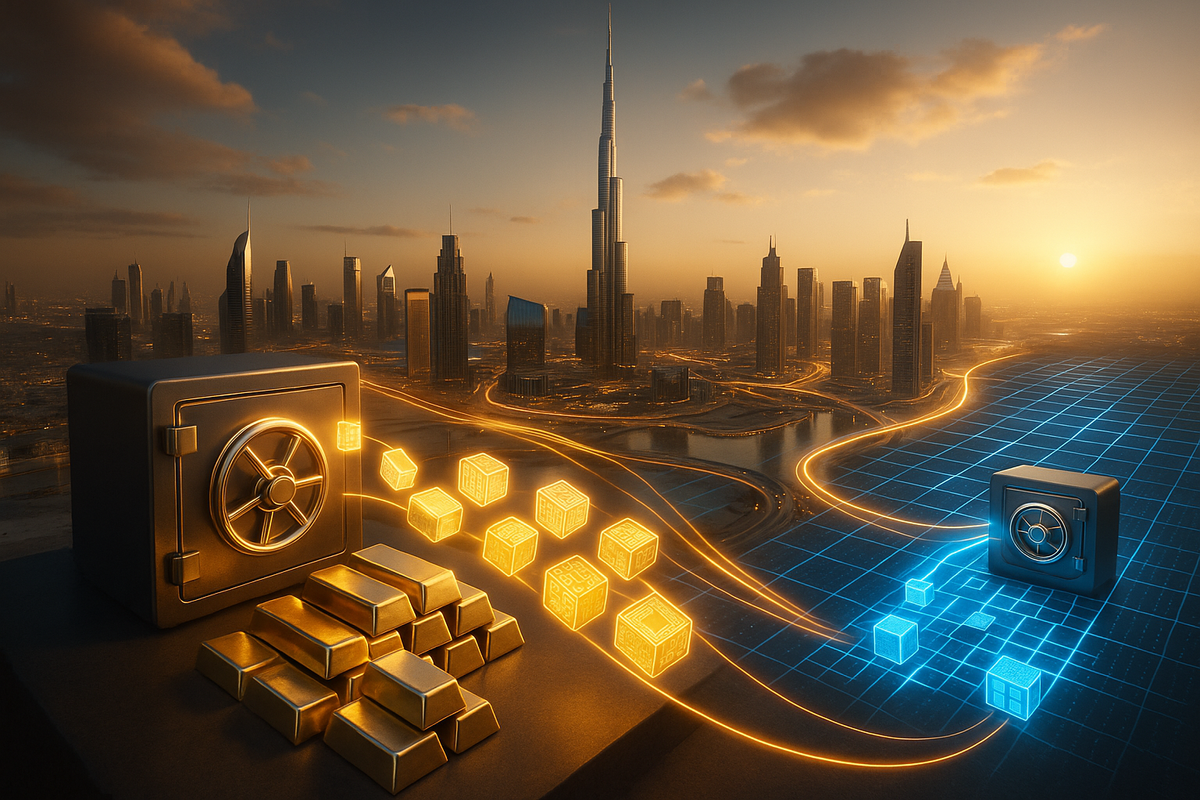
Dubai is rapidly positioning itself at the center of the global tokenization wave, and one of the most transformative developments emerging from the city is the tokenization of metals and other high-value commodities. What was once a purely physical marketplace dominated by vaults, custodians, and commodity traders is now being rebuilt on blockchain rails, driven by a coordinated effort from Dubai Multi Commodities Centre (DMCC) and the Virtual Assets Regulatory Authority (VARA).
This shift signals a fundamental modernization of the commodity sector and reflects Dubai’s strategy to lead the convergence of traditional assets and digital infrastructure.
The initiative is focused on bringing precious metals such as gold, silver, and platinum into regulated blockchain-based structures that allow these assets to be owned, traded, and settled digitally. Unlike speculative tokens or purely digital assets, these tokens are backed by tangible, audited physical metal stored securely in DMCC-regulated vaults.
This backing provides real value and reduces the risk historically associated with unregulated commodity schemes. Tokenization replaces paper-based certificates, complex logistics, and slow transfers with blockchain tokens that represent fractional or full ownership of real, insured metal bars.
One of the primary reasons this development is significant is the change it introduces to liquidity and accessibility. Precious-metal investments have traditionally required large capital commitments and physical custody arrangements, limiting access to major financial institutions or wealthy investors.
By converting metals into fractional digital tokens, Dubai is enabling small and global investors to participate directly in regulated commodity markets with only a few dollars. These tokens can also be traded around the clock, creating liquidity conditions that physical commodities have never enjoyed in traditional markets.
Regulation is at the heart of Dubai’s model, and it is the element that sets this initiative apart from early experiments in commodity tokenization elsewhere. VARA oversees the token issuance and exchange environment, ensuring compliance, investor protection, and legal clarity.
DMCC, already one of the world’s most trusted commodity hubs, provides the physical infrastructure, storage, auditing, and operational backbone. This dual oversight builds confidence in the system and ensures that token holders can trust the physical authenticity and availability of the underlying assets.
The impact of tokenization extends beyond simple ownership. With metals represented digitally, blockchain-based systems can integrate commodity tokens into broader financial applications and cross-border settlement. This unlocks new utility for metals that were historically locked away in storage with limited financial use.
Dubai’s vision for commodity tokenization is not limited to metals. Diamonds, gemstones, and industrial commodities are already being studied under pilot programs. As global investors seek stability in uncertain markets, tokenized real-world assets offer a credible and compliant bridge between physical value and digital efficiency.
Dubai’s early embrace of tokenization places it years ahead of most global jurisdictions, especially given its readiness to offer a regulated framework instead of adopting a reactionary or restrictive stance.
Still, adoption will depend on how markets respond to tokenized assets and whether global investors are willing to shift from traditional investment formats to blockchain-based models.
Questions regarding international regulations, cross-border transferability, and redemption mechanics remain important, but Dubai’s proactive approach suggests these challenges will be solved as adoption grows. Over time, regulated marketplaces for gold- and commodity-backed tokens could become as natural as spot trading on commodity exchanges.
The long-term picture is clear: tokenization is reshaping how real assets are stored, traded, and utilized. By bridging physical commodities with blockchain infrastructure, Dubai is signaling the arrival of a new investment era defined by transparency, liquidity, and global accessibility.
Its leadership in metal tokenization reflects a broader commitment to becoming the world’s most advanced hub for real-world asset tokenization, creating an ecosystem where traditional finance and Web3 technology operate seamlessly.
As global markets evolve, Dubai’s metal-tokenization framework may become a global blueprint for how nations can modernize their commodity sectors while protecting investors and fostering innovation.