PVARA Signals Bitcoin Mining Push With Energy Allocation Plans
Pakistan is exploring Bitcoin mining as regulators hint at allocating surplus power for crypto and AI infrastructure. What’s confirmed, what’s not, and why it matters.

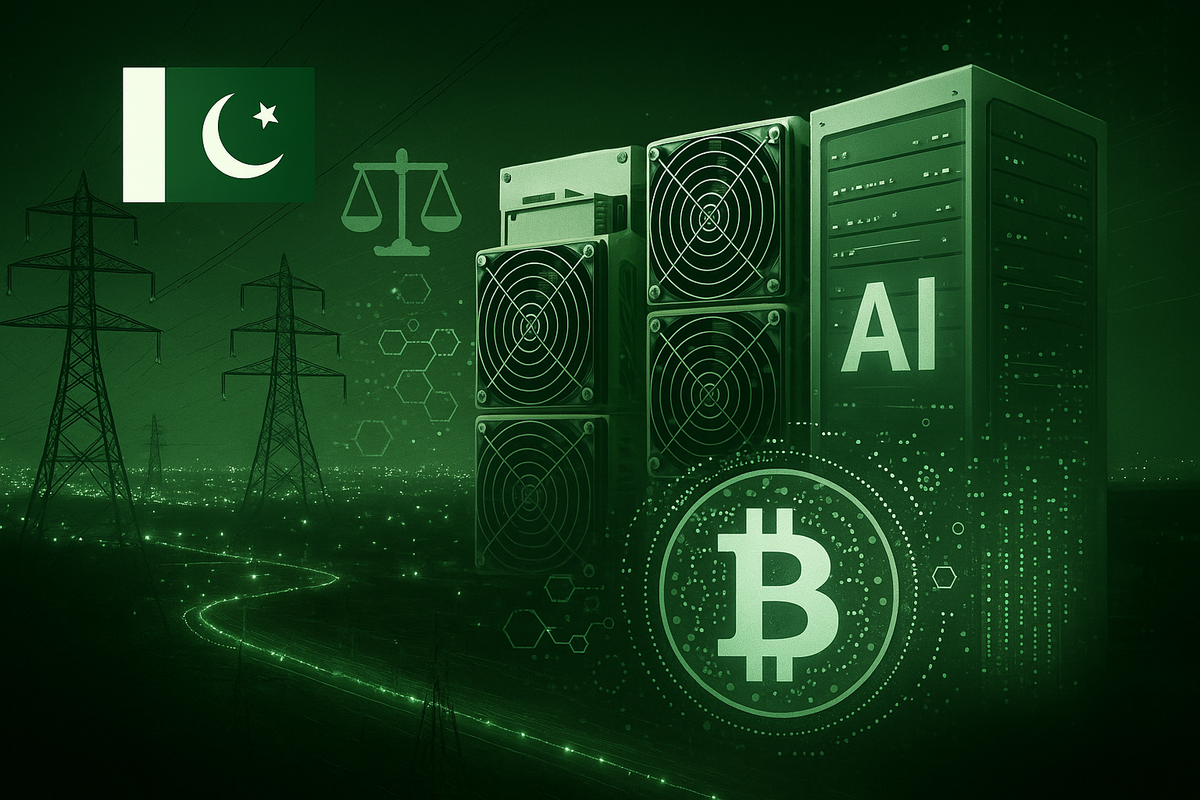
Pakistan may be preparing to enter the global Bitcoin mining landscape, as regulators and policymakers increasingly signal plans to allocate surplus electricity for Bitcoin mining and artificial intelligence (AI) infrastructure. The development marks another step in Pakistan’s broader push toward a regulated digital asset economy.
Recent discussions involving crypto regulators and policymakers indicate that Pakistan is evaluating how unused or surplus power capacity can be redirected toward high-performance computing activities, including crypto mining and AI data centers. This approach mirrors strategies adopted by several energy-rich jurisdictions seeking to monetize excess electricity.
What Has Been Officially Confirmed So Far
Government-linked bodies have already confirmed an initial allocation of 2,000 megawatts (2 GW) of electricity in the first phase for Bitcoin mining and AI infrastructure. This initiative is being coordinated under Pakistan’s evolving digital asset strategy, with oversight expected from newly established regulatory bodies.
While some industry chatter references much larger numbers, including 20 GW, no formal approval or policy document currently supports such a figure. Any future expansion beyond the initial allocation would depend on infrastructure readiness, regulatory approval, and macroeconomic considerations.
Why Pakistan Is Exploring Bitcoin Mining
Pakistan experiences periods of surplus electricity, particularly during off-peak demand cycles. Redirecting this excess energy toward Bitcoin mining allows the country to convert idle power into economic output instead of letting it go to waste.
Bitcoin mining also aligns with Pakistan’s goals of:
- attracting foreign direct investment
- creating high-tech jobs
- expanding data-center infrastructure
- strengthening its digital economy
For Bitcoin in Pakistan, regulated mining could shift activity away from informal setups toward compliant, transparent operations.
Role of Regulators and PVARA
The Pakistan Virtual Assets Regulatory Authority (PVARA) is expected to play a central role in shaping the framework under which mining operations may operate. Any mining initiative will likely be subject to:
- licensing requirements
- AML and CFT compliance
- energy pricing controls
- environmental and grid-stability assessments
This regulatory oversight is critical to ensuring that mining does not strain the power grid or undermine Pakistan’s broader energy reforms.
Bitcoin Mining and AI: A Shared Infrastructure Vision
Interestingly, policymakers are positioning Bitcoin mining and AI computing together, recognizing that both require similar high-density energy and data-center infrastructure. This dual-use strategy could allow Pakistan to remain flexible, shifting capacity between AI workloads and mining depending on global demand and profitability.
Such a model reduces long-term risk while future-proofing investments in digital infrastructure.
If executed carefully, Bitcoin mining could become a strategic pillar of Pakistan’s digital economy. Combined with recent progress on exchange regulation, asset tokenization, and Web3 policy development, mining would further solidify Pakistan’s position in the global crypto ecosystem.
Pakistan is not rushing blindly into Bitcoin mining, but it is clearly preparing the ground. With regulators hinting at structured energy allocation and oversight mechanisms, the country is laying the foundation for regulated, large-scale crypto and AI infrastructure.
While talk of 20 GW remains speculative, the confirmed 2 GW allocation already places Pakistan among the more serious emerging markets exploring Bitcoin mining as a national strategy.
If momentum continues, Bitcoin Pakistan could soon move from user adoption to global network participation.