UAE’s Regulated RWA Tokenization Model Holds Big Lessons for Pakistan
Pakistan can learn critical lessons from the UAE’s regulated RWA tokenization model. Prypco Mint shows how blockchain can modernize real estate, capital markets, and financial inclusion.

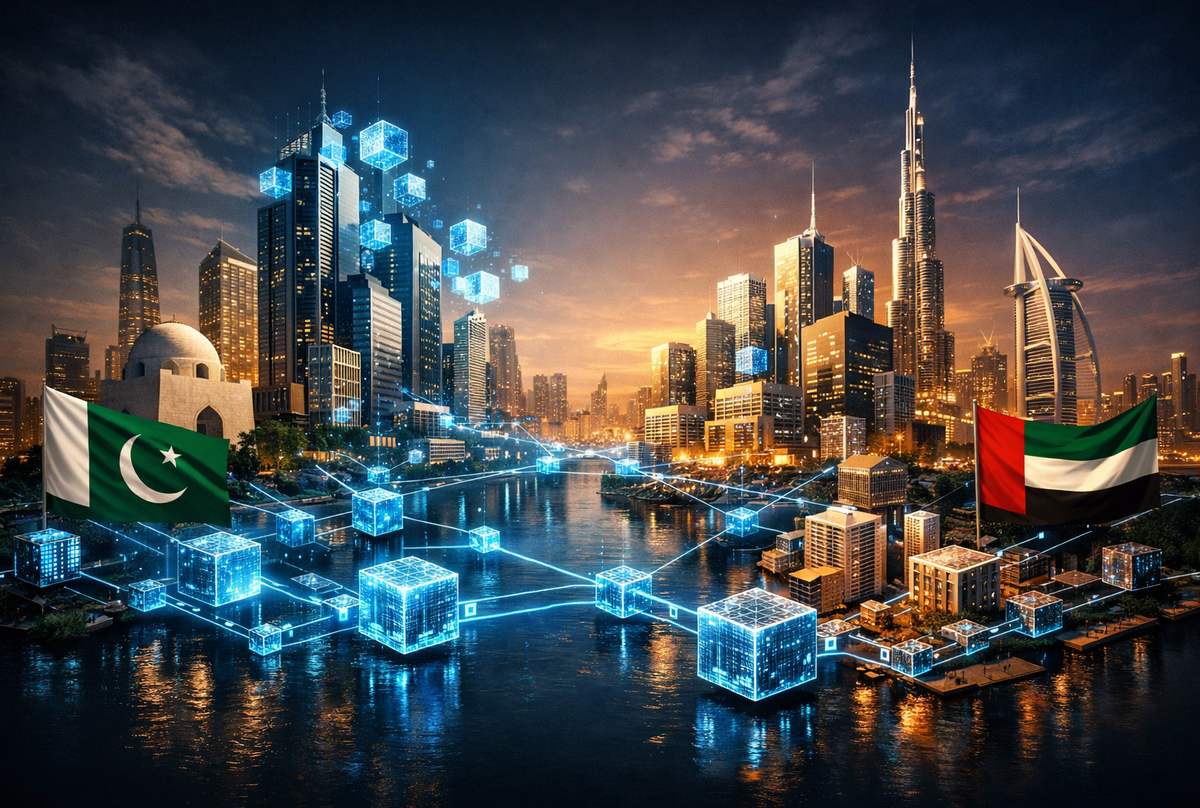
Pakistan’s growing interest in blockchain and real-world asset tokenization is entering a more serious phase, especially after a recent visit by a high-level UAE business delegation that included key figures from DAMAC Group and Prypco Mint.
The discussions signal that Pakistan is no longer viewing tokenization as a speculative crypto trend, but as a potential tool for financial reform, transparency, and long-term economic growth.
One of the most relevant examples Pakistan can study is Prypco Mint, a UAE-based platform focused on real estate tokenization. Prypco Mint allows property ownership to be divided into digital tokens, enabling investors to buy fractional shares of real estate instead of purchasing entire properties.
These tokens are backed by real assets, issued under regulatory oversight, and structured to comply with local laws. This approach has helped the UAE attract retail and institutional investors while maintaining trust and legal clarity.
What makes the UAE model stand out is that regulation came before mass adoption. Authorities defined how tokenized assets should be treated, what investor protections were required, and how platforms must operate within the financial system.
This clarity allowed private companies like Prypco to innovate without operating in legal uncertainty. For Pakistan, this highlights the importance of regulatory leadership from institutions such as SECP, SBP, and the Ministry of Finance, rather than leaving innovation entirely to startups.
Another important lesson is the UAE’s focus on real assets that people already understand and trust. Real estate was a natural starting point because it is familiar, high-value, and widely accepted as an investment.
Pakistan has similar opportunities in urban real estate, housing projects, industrial land, and infrastructure-linked assets. Tokenizing these assets could bring transparency to markets that have long struggled with documentation issues and informal practices.
Fractional ownership is another area where Pakistan could benefit significantly. By allowing smaller investments, tokenization opens real estate and asset ownership to a much broader segment of the population.
This is especially relevant for young investors and overseas Pakistanis who want exposure to local assets but face trust or access barriers. A regulated tokenization framework could channel this capital into formal and productive use.
The UAE’s experience also shows the value of strong public–private collaboration. Prypco Mint operates within a system where regulators set boundaries, private firms provide technology and execution, and large developers ensure asset quality. Pakistan can adopt a similar approach by partnering with credible international firms while keeping regulatory control firmly in local hands.
Transparency is another key takeaway. In the UAE, tokenized assets are backed by legal documentation, clear ownership structures, and defined investor rights. This has helped separate real-world asset tokenization from high-risk crypto speculation.
For Pakistan, framing tokenization as a transparency and capital market reform tool rather than a crypto experiment will be essential for public and political acceptance.
Importantly, the UAE has positioned RWA tokenization as a complement to traditional finance, not a replacement. Banks, regulators, and capital markets continue to play central roles. Tokenization simply adds efficiency, liquidity, and global accessibility.
Pakistan can adopt the same mindset by using blockchain to strengthen existing systems rather than disrupt them abruptly.
The recent engagement between Pakistan’s finance leadership and UAE-based firms like DAMAC and Prypco reflects a shift toward responsible innovation. If Pakistan applies the lessons of regulatory clarity, asset-first tokenization, and international collaboration, it could gradually build a trusted RWA ecosystem that attracts foreign investment, improves financial inclusion, and modernizes its capital markets.