Tokenising assets in Pakistan: what PVARA's issuance rules require
Pakistan has agreed with Binance to explore tokenising up to $2 billion of state assets, and PVARA says its sandbox is testing gold and property. Its rules already say what a token issued under them needs: full backing, a licensed custodian, a whitepaper and redemption.

Key takeaways
- PVARA's Issuance Services Regulation lets almost any asset be tokenised, but only by a licensed issuer whose token issue PVARA has approved or been notified of.
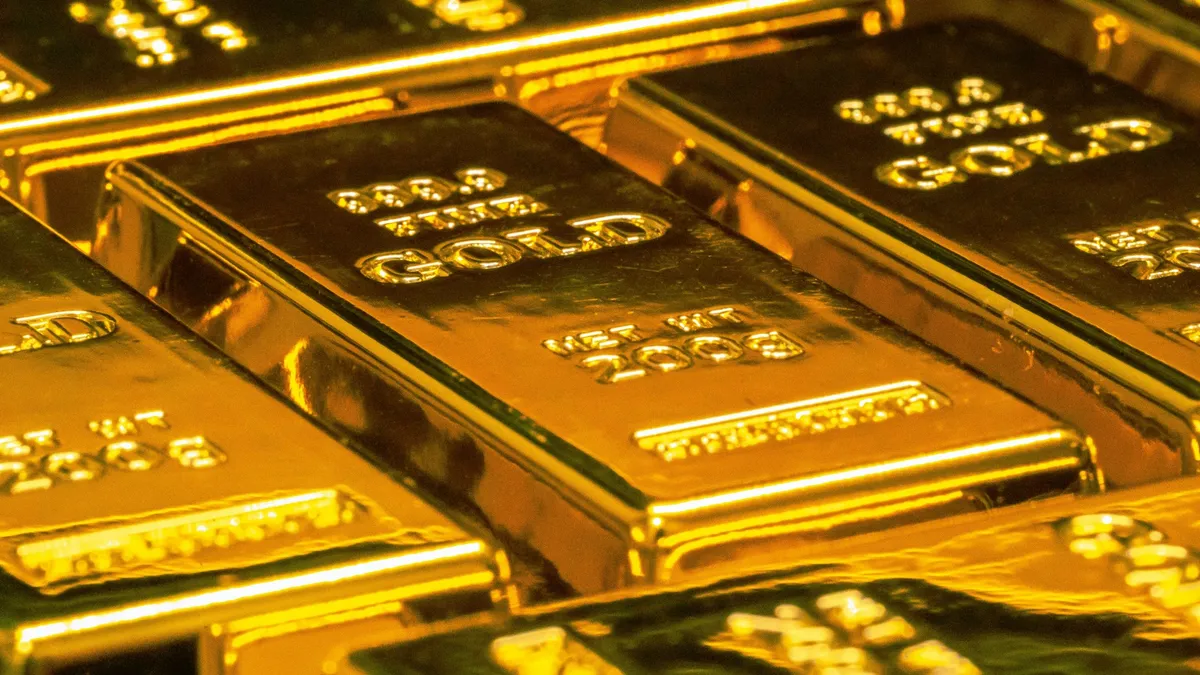
- Tokens tied to an asset such as gold must be fully backed by that asset, never by other crypto, and reserves can never drop below 100%.
- Holders must be able to redeem, ordinarily within 24 hours, and a whitepaper must be published before a token is marketed.
- PVARA's licensing page named no licensee on 21 October. A sandbox test does not entitle a firm to a licence.
Tokenisation is having a moment in Pakistan's official messaging. In December 2025 the finance ministry signed a memorandum of understanding with Binance to explore tokenising "up to $2 billion in sovereign bonds, treasury bills and commodity reserves", Arab News reported. On 12 October, the chairman of the Pakistan Virtual Assets Regulatory Authority (PVARA), Bilal bin Saqib, wrote that PVARA's sandbox was "live for gold, property and remittances". Last week in Bangkok, he discussed "tokenised bonds and sukuk" with the World Bank's private-sector arm, the IFC, the Express Tribune reported.
None of these has yet produced a token that a Pakistani can buy. But the rules that would govern one are already on paper. They sit in the Issuance Services Regulation, a chapter of the Activity Specific Regulations, S.R.O. 1420(I)/2026, notified on 21 August.
Two kinds of token, two licences
The regulation splits issued tokens into two types:
- Fiat-referenced tokens (FRTs) track a currency, the way USDT tracks the dollar.
- Asset-referenced tokens (ARTs) refer to another asset or basket of assets. Both terms take their meaning from the Virtual Assets Act.
Each is a separate licence category, and regulation 2(3) says an issuer licensed for one may not issue the other without separate permission. Each needs minimum paid-up capital of Rs300 million, according to Schedule I of the main regulations, as our breakdown of PVARA's 11 licence types shows.
The rules are open about what can be tokenised. Regulation 3(3) says: "Nothing in this Regulation limits the types of assets that may be tokenized", as long as the resulting token is not otherwise prohibited by law and meets the issuance rules.
What an issuer must do
Get the issue cleared. Regulation 4(1) says no token may be issued unless the issue "has been notified to, or approved by" PVARA. PVARA may require prior approval for retail-facing, complex or systemically significant issues. An application must describe the token's structure, reserves, custody, redemption terms and risks, and include the draft whitepaper. PVARA can attach conditions, including issuance limits and distribution restrictions. It may also set simpler requirements for pilots, which is the likely route for sandbox projects.
Back every token in full. Regulation 6(4) says reserves may never be held below 100%, with only brief timing gaps allowed. For an asset-referenced token, regulation 7(2) goes further: it "shall at all times be fully backed by the relevant underlying assets and shall not be backed by, or derive its value from, other Virtual Assets". A gold token, in other words, needs gold behind it, not another crypto token.
Keep the reserves away from the issuer. Regulation 9 requires reserves to sit with a licensed custodian or another regulated entity PVARA accepts. They must be segregated from the issuer's own money and protected if the issuer goes bust. They may not be pledged or lent out.
Let holders cash out. Under regulation 10, holders of a currency token can redeem at par. Holders of an asset token redeem on the basis set out in the whitepaper. A valid request should ordinarily be met "within twenty-four (24) hours", with longer periods allowed only for disclosed reasons such as bank holidays or the nature of the asset. Marketing must not misstate how quickly or certainly redemption works.
Publish before selling. Regulation 11 requires a whitepaper before a token is "offered, marketed or otherwise made available to the public". The issuer is "fully responsible" for its accuracy, and must update it when anything material changes. Regulation 13 adds ongoing disclosure of reserves, custody, risks and fees.
Where the sandbox fits
PVARA's sandbox lets firms test products under supervision. Regulation 7(6) of the main regulations, S.R.O. 1419(I)/2026, says participation "does not create an entitlement to a Licence". A firm that completes testing to PVARA's satisfaction may apply for a licence directly, without first getting a no-objection certificate.
PVARA has not named the firms testing gold or property, or said whether any token is being sold to the public during testing. As of PVARA's licensing page on 21 October, no issuer, or any other firm, holds a licence.
What this means for Pakistani users
- PVARA has licensed no token issuer. Its licensing page named no licensee when we checked on 21 October. Anyone selling a "PVARA-approved" gold or property token today is making a claim no licence supports. Ask for the licence number; licensees must publish it.
- Backing should be checkable. Under these rules a real asset token comes with a whitepaper, a named custodian and published reserve figures. If a seller cannot show you those, you are not looking at a token issued under Pakistan's rules.
- Redemption is the test. Ask how you would swap the token back for the asset or rupees, how long it takes, and what can stop it.
- Government tokenisation is still a plan. The Binance MoU covers exploring tokenisation "subject to applicable laws, policies and regulatory approvals". It is not an offer you can take part in.
This is reporting on published regulations, not investment or legal advice.
What we're watching
- Whether PVARA names its sandbox participants for gold, property and remittances.
- Any application for, or grant of, an ART or FRT issuance licence.
- Whether the Binance MoU or the World Bank talks produce a tokenised bond or sukuk, and which regulator oversees it.
Sources
- PVARA, Pakistan Virtual Asset Services Activity Specific Regulations, 2026, S.R.O. 1420(I)/2026: Issuance Services Regulation, regulations 2 to 13.
- PVARA, Pakistan Virtual Asset Services Regulations, 2026, S.R.O. 1419(I)/2026: regulation 7(6) and Schedule I.
- PVARA, licensing page, read 21 October 2026.
- Bilal bin Saqib, post on X, 12 October 2026.
- Arab News, "Pakistan signs agreement with Binance to explore 'tokenization' of up to $2 billion assets", 12 December 2025.
- Express Tribune, "PVARA, WB discuss digital infrastructure", 15 October 2026.