Binance P2P Escrow: What It Holds and When It Releases
Most Pakistani PKR-to-USDT trades run through Binance P2P, not a licensed exchange. Here is what its escrow holds, and what it does not.

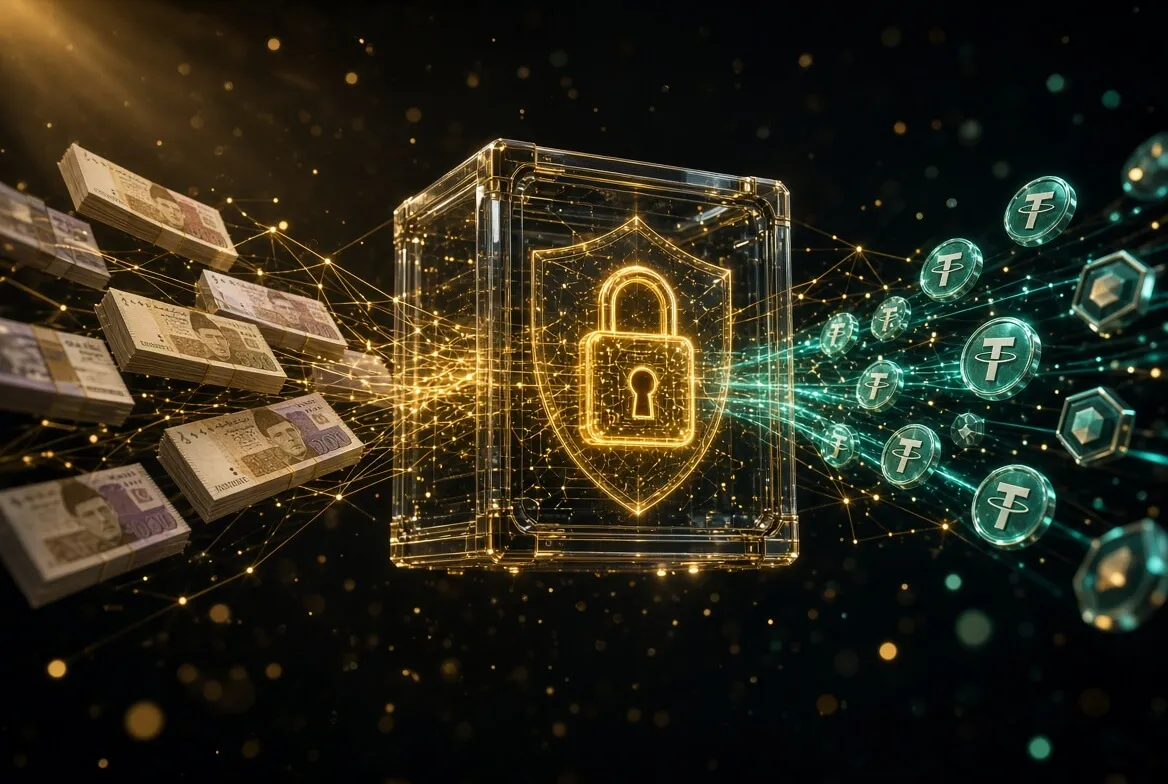
No cryptocurrency exchange is yet licensed to serve retail buyers and sellers inside Pakistan. PVARA issued No Objection Certificates to Binance and HTX in December 2025 — an early formal recognition, not a licence — and its licensing regime under the Virtual Assets Act, 2026 only closes to first-round applicants on 5 September 2026. So for most people converting Pakistani rupees to USDT today, the practical route is Binance's peer-to-peer (P2P) marketplace: trading directly with another Binance user and settling the rupee leg outside the platform, usually by bank transfer or mobile wallet. Almost nobody who trades this way has been shown what Binance's escrow actually holds, what makes it release, or what happens when the other side disputes the trade. This is that mechanism, described from Binance's own documentation.
Why the mechanism matters more in Pakistan
Because no local venue is licensed yet, a Karachi or Lahore trader's PKR/USDT conversion runs end to end through Binance's own infrastructure and Binance's own dispute process. There is no local regulator, ombudsman or court that adjudicates a Binance P2P appeal. Whatever protection exists is whatever the escrow and appeals mechanism provides — which makes knowing its edges a practical matter, not a technical curiosity. This piece explains the mechanism; it is not a recommendation to use Binance P2P or any other platform.
What escrow holds, and what actually releases it
When a buyer places a P2P order, the seller does not hand anything over manually. Binance moves it: "Once the buyer places an order, the seller's cryptocurrency will automatically be transferred from the seller's wallet to the temporary deposit with Binance escrow," per Binance's own explainer (Binance Blog, "How Does Binance P2P's Escrow Service Work?", 9 November 2020).
Release works the other way round, and this is the part most traders have backwards. The crypto is escrowed automatically, but it is released by a deliberate act of the seller — not by Binance on a timer, and not by the buyer marking the order paid. Binance's seller guide is explicit: "Once the buyer transfers the payment, ensure that you have received the buyer's payment in your bank account or wallet before clicking [Payment Received]" (Binance Support, "How to Sell Cryptocurrency on Binance P2P Website", updated 19 December 2025). The same page tells sellers to log in to the payment account and check the credit rather than trust a notification: "Do not rely solely on SMS or email notifications." And it states the rule plainly: "Do not agree to any request to release crypto before confirming the receipt of the payment to avoid financial losses."
That matters for a Pakistani seller specifically, because the common local scam is a forged bank-transfer receipt or a spoofed SMS alert for a transfer that never cleared. Escrow does not defend against that. It only holds the crypto until the seller says to let it go.
What happens when a trade is disputed
If the two sides disagree — the seller says the rupees never arrived, or the buyer says they were sent — either party can open an appeal, and the escrowed crypto stops moving. "When an order is on appeal, the cryptocurrency will remain blocked until the case is resolved," per Binance's appeals guide (Binance, "All You Need to Know About the Binance P2P Appeals Process", published 20 January 2021, updated 30 January 2024).
Then a short clock starts, and it runs against the other side: "Once you submit your appeal, the respondent will have a 10-minute window to reply to your appeal" (Binance Support, "How to Appeal for P2P Orders on Binance Website"). If they do not, the case escalates to Binance customer support and the order moves into "Under Review" or "CS Review" status. The 10-minute window is stated in both the website and the in-app versions of the appeal guide, so it does not depend on which one a trader uses.
An appeal is not decided on say-so. The appeals guide states a trader "will also need to attach a piece of evidence to support the reason for your appeal," and it rules out the shortcut most people reach for first: "Attach relevant proof like proof of payment or no payment being made, don't attach a screenshot of conversations with the counterparty as proof of payment." A trader whose only record is a WhatsApp or in-app chat screenshot, rather than a bank statement or a transaction receipt from the bank's own app, should know that before the dispute, not during it.
How long it takes, and what Binance does not promise
Once a case escalates, the stated commitment is a contact window, not a resolution: "Our customer service team will contact you within the next 24 to 48 hours," per the same appeals guide. Resolution can run considerably longer. Binance's separate handling rules describe agents working the case by hand — for a completed payment where the seller has not released, "Binance customer service agents will contact the seller and request that they release the crypto within two working days," and where a refund is owed, agents "will contact the seller for a refund on a best effort basis" (Binance Support, "Binance P2P Appeal Handling Rules", updated 15 October 2024).
"Best effort" is the honest edge of the mechanism, and the same page marks it repeatedly: "Binance is not liable for any loss resulting from the transaction." Escrow is a hold on the seller's crypto. It is not insurance, no Binance document reviewed states a compensation guarantee or a recovery rate for a defrauded trader, and nothing in it reaches the rupees, which move through a Pakistani bank or wallet that Binance neither holds nor controls.
Two limits on this account are worth stating outright. It is drawn from Binance's support and blog documentation; the P2P Terms of Use, which would give the contractual rather than the explanatory framing, is published at binance.com/en/terms-p2p but did not return readable text on repeated attempts, so nothing here is quoted from it. And the mechanism as documented is platform-wide: no Binance page reviewed describes an escrow or appeals process specific to Pakistan or to any other counterparty jurisdiction.
What we're watching
Two things would change this piece. The first is Binance altering the appeal windows or the evidence standard, which it has done before — the appeals guide carries a January 2021 publication date and a January 2024 update, and the seller guide was updated on 19 December 2025. The second is Pakistan's own regime catching up: the 5 September 2026 licence deadline under the Virtual Assets Act, 2026 is three days away, and a licensed local venue with a domestic complaints route would change what a Pakistani trader's alternative to this mechanism actually is.
Sources
- Binance Blog — "How Does Binance P2P's Escrow Service Work?", published 9 November 2020. https://www.binance.com/en/blog/all/how-does-binance-p2ps-escrow-service-work-421499824684900825
- Binance Support — "How to Sell Cryptocurrency on Binance P2P Website", updated 19 December 2025. https://www.binance.com/en/support/faq/how-to-sell-cryptocurrency-on-binance-p2p-website-360041106311
- Binance — "All You Need to Know About the Binance P2P Appeals Process", published 20 January 2021, updated 30 January 2024. https://www.binance.com/en/blog/p2p/all-you-need-to-know-about-the-binance-p2p-appeals-process-421499824684901493
- Binance Support — "How to Appeal for P2P Orders on Binance Website". https://www.binance.com/en/support/faq/how-to-appeal-for-p2p-orders-on-binance-website-ed6efa0d16054aaa82f701fd7f0c7288
- Binance Support — "Binance P2P Appeal Handling Rules", updated 15 October 2024. https://www.binance.com/en/support/faq/binance-p2p-appeal-handling-rules-360041839052